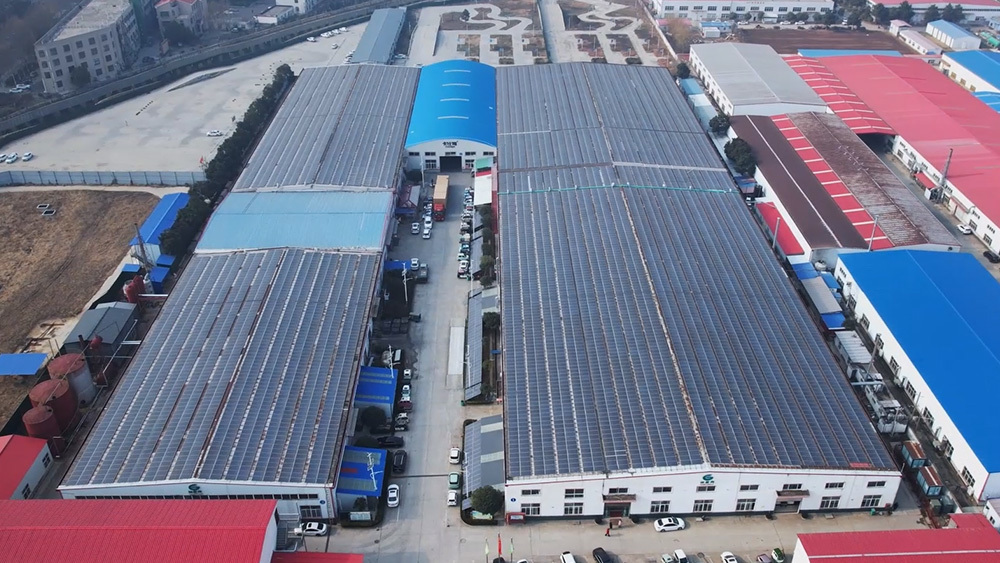
The Role of Harvester Sprockets in Enhancing Machinery Efficiency
这里是标题一h1占位文字
The Role of Harvester Sprockets in Enhancing Machinery Efficiency
Table of Contents
1. Introduction to Harvester Sprockets
2. Understanding the Function of Sprockets in Machinery
3. Importance of Sprocket Design in Agricultural Equipment
4. Material Selection for Harvester Sprockets
4.1. Common Materials Used
4.2. Impact of Material Quality on Performance
5. Maintenance Tips for Harvester Sprockets
6. Enhancing Efficiency with Proper Sprocket Alignment
7. Common Issues Faced with Harvester Sprockets
8. Conclusion
9. Frequently Asked Questions
1. Introduction to Harvester Sprockets
In the realm of agricultural machinery, **harvester sprockets** play a pivotal role in ensuring optimal functionality and efficiency. These critical components connect various parts of machinery, facilitating smooth operation and enhancing the performance of devices used in farming and harvesting. Understanding the function and importance of these sprockets is crucial for anyone involved in agricultural equipment maintenance and efficiency optimization.
2. Understanding the Function of Sprockets in Machinery
Sprockets are mechanical devices that engage with a chain or belt to transfer motion and power in machinery. In agricultural harvesters, they convert rotational motion from the engine into the linear motion required to drive other components like cutting blades and conveyors. This conversion is essential for the **efficient operation** of harvesting machinery, directly impacting productivity during peak farming seasons.
3. Importance of Sprocket Design in Agricultural Equipment
The design of harvester sprockets significantly influences the overall efficiency of machinery. Factors such as tooth profile, pitch, and spacing must be meticulously engineered to ensure **optimal chain engagement**. Well-designed sprockets reduce wear and tear, minimize slippage, and enhance the life span of both the sprocket and the chain. This design not only improves performance but also translates to reduced operational costs, making it a crucial element in agricultural machinery.
4. Material Selection for Harvester Sprockets
4.1. Common Materials Used
The materials used to manufacture harvester sprockets are integral to their performance and durability. Common materials include:
- **Carbon steel**: Known for its strength and rigidity, carbon steel sprockets are widely used for their cost-effectiveness and durability.
- **Alloy steel**: This material combines various elements to improve strength and wear resistance, making it suitable for heavy-duty applications.
- **Plastic and nylon**: These materials are used for lighter-duty sprockets, offering benefits such as reduced weight and noise.
4.2. Impact of Material Quality on Performance
The quality of the materials used in harvester sprockets directly affects their performance. Poor-quality materials can lead to premature wear, increased friction, and operational failure. High-quality sprockets are engineered to withstand the harsh conditions often faced in agricultural settings, ensuring seamless operation and longevity.
5. Maintenance Tips for Harvester Sprockets
To maximize the life and performance of harvester sprockets, regular maintenance is essential. Here are some effective maintenance tips:
- **Regular Inspection**: Conduct frequent inspections for wear and damage. Look for signs of elongation, cracks, or unusual wear patterns.
- **Lubrication**: Ensure sprockets and chains are adequately lubricated to reduce friction and prevent overheating.
- **Alignment Checks**: Regularly check the alignment of sprockets to avoid excessive wear and ensure smooth operation.
- **Cleanliness**: Keep sprockets free from dirt and debris, as these can interfere with operation and lead to accelerated wear.
6. Enhancing Efficiency with Proper Sprocket Alignment
Proper alignment of harvester sprockets is crucial for maintaining efficiency. Misaligned sprockets can result in uneven wear, increased stress on both the sprocket and chain, and ultimately, mechanical failure. Techniques to ensure proper alignment include:
- **Using alignment tools**: Specialized tools can help in accurately aligning sprockets during installation or maintenance.
- **Regular adjustments**: Make alignment checks part of routine maintenance to catch any issues early.
7. Common Issues Faced with Harvester Sprockets
Despite careful maintenance, several common issues can affect harvester sprockets:
- **Wear and Tear**: Prolonged use can lead to deterioration of sprocket teeth, necessitating replacement.
- **Chain Slippage**: This occurs when the chain does not grip the sprocket properly, often due to wear or misalignment.
- **Corrosion**: Exposure to harsh conditions can lead to rust and corrosion, weakening the sprocket.
Understanding these issues can help operators take proactive measures, thereby enhancing the performance and reliability of their machinery.
8. Conclusion
In summary, harvester sprockets are a fundamental component in the efficiency of agricultural machinery. Their design, material quality, and proper maintenance play a vital role in ensuring optimal performance. By paying close attention to these factors, operators can significantly enhance their machinery’s efficiency, leading to increased productivity and reduced operating costs.
9. Frequently Asked Questions
1. What are harvester sprockets made of?
Harvester sprockets are typically made from materials such as carbon steel, alloy steel, or sometimes plastic and nylon, depending on their application.
2. How often should I inspect my sprockets?
It is advisable to inspect harvester sprockets regularly, ideally before and after the harvesting season, and after any significant use.
3. What are the signs of wear on sprockets?
Signs of wear include elongation of the sprocket teeth, visible cracks, and unusual wear patterns that can indicate misalignment.
4. How can I maintain sprocket efficiency?
Regular lubrication, alignment checks, and keeping the sprockets clean are essential practices for maintaining sprocket efficiency.
5. What can happen if sprockets are not properly aligned?
Misalignment can cause uneven wear, increased stress on components, chain slippage, and ultimately, mechanical failure.
This comprehensive exploration of harvester sprockets and their role in enhancing machinery efficiency not only informs but also empowers operators to optimize their equipment, ensuring a more productive agricultural operation.
Recommended News
Precision Gears Improve Accuracy and Reliability in Modern Mechanical Systems
OEM Precision gears supply for accurate transmission, smooth operation, durable performance, custom sizes, and quality.
Chain Sprockets – Durable, High-Precision Components for Reliable Power Transmission
Chain sprockets are precision-made components for efficient chain drive systems, offering high strength, wear resistance, smooth operation, and reliable power transmission in industrial, agricultural, and automotive applications worldwide.
High-Strength Chains for Heavy-Duty Industrial and Mechanical Applications
High-strength chains provide excellent load capacity, wear resistance, and durability, making them ideal for lifting, conveying, mining, and heavy industrial equipment use.

The company specializes in the production and sales of various industrial sprockets, gears, racks, chains, agricultural machinery sprockets: gears (harvesters, corn harvesters). We have a large stock all year round, and can customize various specifications of sprocket gears according to customer needs.