High-Precision Gears for Industrial, Automotive, and Mechanical Applications
这里是标题一h1占位文字
Gears are fundamental mechanical components widely used to transmit motion, power, and torque between rotating shafts in a vast range of applications including industrial machinery, automotive systems, robotics, aerospace, and consumer equipment. They are designed to ensure smooth and efficient motion transfer, maintain precise rotational speed ratios, and provide reliable operation under varying load conditions. Gears can be manufactured from a variety of materials such as steel, stainless steel, brass, bronze, aluminum, and high-strength polymers, depending on the performance requirements, environmental conditions, and load-bearing capacity.
High-precision gears are produced using advanced manufacturing techniques including hobbing, milling, grinding, shaping, and additive manufacturing. These processes ensure accurate tooth geometry, uniform pitch, and optimal surface finish, which are critical to minimizing backlash, reducing wear, and extending gear life. Gear types include spur gears, helical gears, bevel gears, worm gears, planetary gears, rack and pinion systems, and internal gears, each offering unique advantages for specific applications. Spur gears, for example, are widely used for their simplicity and efficiency in parallel shaft applications, while helical gears provide smoother and quieter operation due to their angled teeth. Bevel gears are ideal for transmitting power between intersecting shafts, and worm gears allow high reduction ratios and self-locking capabilities.
Gears operate in various conditions, often requiring lubrication to reduce friction, heat generation, and wear. Lubricants such as oils, greases, or dry coatings enhance gear performance, reduce noise, and extend service life. In high-speed or high-load applications, precision gears are often heat-treated, surface-hardened, or coated to improve durability, corrosion resistance, and mechanical strength. Gear systems are also critical in achieving accurate motion control in robotics, CNC machinery, and aerospace components, where minimal backlash and precise torque transmission are essential.
In addition to industrial and automotive uses, gears are vital in consumer products such as clocks, printers, bicycles, and household appliances, demonstrating their versatility and importance in daily life. Modern gear design often involves computer-aided engineering (CAE), finite element analysis (FEA), and advanced modeling to optimize gear geometry, load distribution, and efficiency while minimizing size and weight. Innovations in materials and manufacturing processes continue to enhance gear performance, allowing for higher speeds, increased load capacities, quieter operation, and longer lifespan.
Overall, gears are indispensable components in mechanical systems, providing efficient power transmission, reliable operation, and precise control across a multitude of industries. Their design, material selection, manufacturing, and maintenance play a crucial role in the performance, safety, and longevity of machinery and equipment.
Recommended News
Precision Gears Improve Accuracy and Reliability in Modern Mechanical Systems
OEM Precision gears supply for accurate transmission, smooth operation, durable performance, custom sizes, and quality.
Chain Sprockets – Durable, High-Precision Components for Reliable Power Transmission
Chain sprockets are precision-made components for efficient chain drive systems, offering high strength, wear resistance, smooth operation, and reliable power transmission in industrial, agricultural, and automotive applications worldwide.
High-Strength Chains for Heavy-Duty Industrial and Mechanical Applications
High-strength chains provide excellent load capacity, wear resistance, and durability, making them ideal for lifting, conveying, mining, and heavy industrial equipment use.

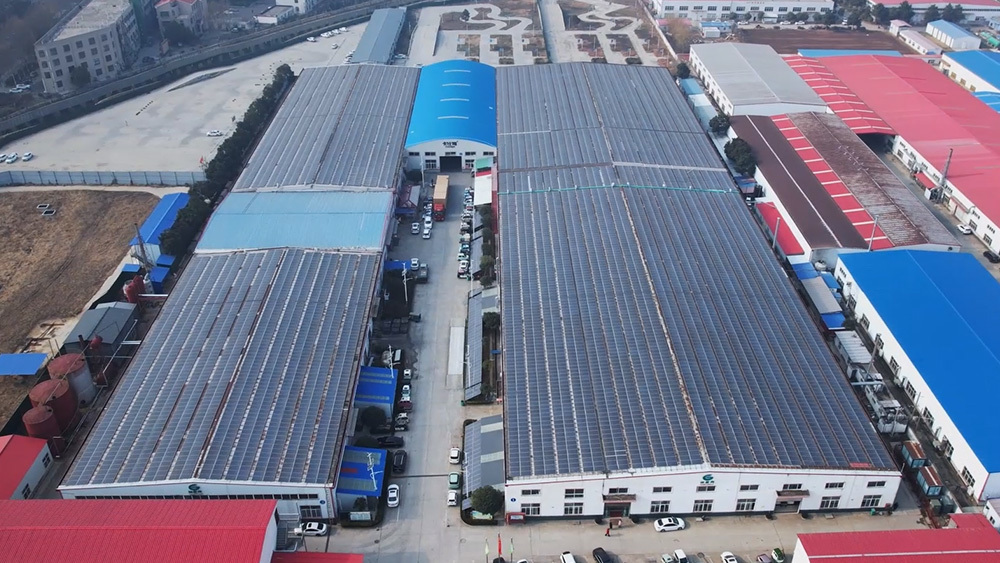
The company specializes in the production and sales of various industrial sprockets, gears, racks, chains, agricultural machinery sprockets: gears (harvesters, corn harvesters). We have a large stock all year round, and can customize various specifications of sprocket gears according to customer needs.