Exploring Aftermarket Options for Corn Harvester Sprockets: Enhance Performance and Reliability
这里是标题一h1占位文字
Exploring Aftermarket Options for Corn Harvester Sprockets
Table of Contents
- Introduction to Corn Harvester Sprockets
- The Importance of Sprockets in Corn Harvesting
- Benefits of Aftermarket Sprockets
- Types of Aftermarket Sprockets Available
- Materials Used in Aftermarket Sprockets
- Criteria for Selecting Aftermarket Sprockets
- Installing Aftermarket Sprockets
- Maintaining Your Aftermarket Sprockets
- Conclusion
- FAQs
Introduction to Corn Harvester Sprockets
Corn harvesters are essential equipment in modern agriculture, designed to efficiently harvest corn while minimizing crop loss. One key component that plays a crucial role in the performance of these machines is the sprocket. Sprockets are mechanical devices that engage with the chain, transferring power and ensuring the smooth operation of the harvester. As the demand for corn continues to rise, understanding the aftermarket options for corn harvester sprockets becomes increasingly vital.
The Importance of Sprockets in Corn Harvesting
Sprockets serve as the backbone of corn harvester machinery, facilitating the connection between the engine and the various moving parts. The efficiency of the entire harvesting process largely depends on the quality and condition of these sprockets. If they are worn out or improperly fitted, it can lead to:
- Increased downtime due to mechanical failures
- Higher operational costs
- Reduced harvesting speed
- Greater crop loss during harvesting
Investing in high-quality aftermarket sprockets can alleviate these issues, ensuring optimal performance and reliability.
Benefits of Aftermarket Sprockets
When considering sprockets for corn harvesters, aftermarket options present several advantages:
- **Cost-Effectiveness**: Aftermarket sprockets often come at a lower price than OEM (Original Equipment Manufacturer) parts without compromising on quality.
- **Availability**: Many aftermarket manufacturers offer a wider range of options, making it easier to find the right fit for your specific model.
- **Customization**: Aftermarket sprockets can often be customized to meet the unique demands of different harvesting environments.
- **Improved Durability**: Many aftermarket models are designed with advanced materials and technology, which can result in longer-lasting performance.
Types of Aftermarket Sprockets Available
Choosing the right type of sprocket for your corn harvester is essential. There are several types of aftermarket sprockets available, each designed for specific applications and requirements.
Roller Sprockets
Roller sprockets are commonly used in corn harvesters due to their efficient power transfer capabilities. They consist of a series of teeth that engage with roller chains, providing a secure fit while minimizing wear. These sprockets are ideal for high-speed applications and can handle substantial loads without significant wear and tear.
Silent Sprockets
Silent sprockets are engineered to operate quietly, reducing noise levels during harvesting. This feature can be particularly beneficial in residential areas or environments where noise pollution is a concern. Silent sprockets also tend to produce less vibration, which can enhance the longevity of the entire harvester system.
Custom Sprockets
For operators with unique requirements, custom sprockets can be an excellent option. These sprockets can be designed according to specific measurements and performance needs, ensuring they fit perfectly within the harvester's system. Custom solutions can address specific challenges faced during the harvesting process.
Materials Used in Aftermarket Sprockets
The materials used in sprocket construction significantly impact their performance and longevity. Understanding these materials can help in making an informed decision when selecting aftermarket options.
- **Carbon Steel**: Commonly used due to its strength and ability to withstand harsh conditions. It is often treated to enhance durability.
- **Stainless Steel**: Offers excellent corrosion resistance and is ideal for environments exposed to moisture or chemicals.
- **Plastic Composites**: Lightweight and resistant to corrosion, these materials can reduce overall weight, improving efficiency in some applications.
- **Alloyed Metals**: Combining various metals can lead to improved strength and reduced wear, making them suitable for high-performance applications.
Each material has its advantages and disadvantages, so it is essential to consider the working environment and intended use when selecting a sprocket.
Criteria for Selecting Aftermarket Sprockets
When searching for the right aftermarket sprocket, consider the following criteria to ensure optimal fit and performance:
1. **Compatibility**: Ensure the sprocket is compatible with your specific corn harvester model.
2. **Load Capacity**: Verify that the sprocket can handle the loads it will encounter during operation.
3. **Durability**: Look for materials designed to withstand wear and tear in agricultural environments.
4. **Manufacturer Reputation**: Choose sprockets from reputable manufacturers with positive reviews to ensure quality.
5. **Warranty and Support**: Consider options that come with warranties and customer support to assist with installation and maintenance issues.
Taking these factors into account will lead to a more satisfactory purchasing experience and better performance of your harvesting equipment.
Installing Aftermarket Sprockets
Proper installation of aftermarket sprockets is crucial for ensuring optimal performance. Here are key steps to follow during installation:
1. **Preparation**: Ensure all tools and replacement parts are ready. Power down your corn harvester before beginning the installation process.
2. **Remove Old Sprockets**: Carefully detach the existing sprockets, taking note of how they are assembled.
3. **Inspect Components**: Check the surrounding components for wear or damage, replacing them if necessary.
4. **Install Aftermarket Sprockets**: Position the new sprockets correctly and secure them in place according to the manufacturer’s guidelines.
5. **Test Operation**: Before full operation, run the harvester briefly to ensure the sprockets are functioning correctly.
Following these steps will help ensure that the new sprockets work effectively and contribute to enhanced harvesting performance.
Maintaining Your Aftermarket Sprockets
Maintaining your aftermarket sprockets is essential for ensuring their longevity and optimal performance. Here are some maintenance tips:
- **Regular Inspections**: Routinely check sprockets for signs of wear and tear.
- **Lubrication**: Ensure that sprockets and chains are properly lubricated to minimize friction and wear.
- **Proper Alignment**: Check the alignment of sprockets and chains to prevent uneven wear.
- **Cleaning**: Keep sprockets free from debris and dirt that could affect their performance.
Establishing a consistent maintenance routine will help extend the life of your sprockets and enhance the efficiency of your corn harvesting operation.
Conclusion
Exploring aftermarket options for corn harvester sprockets is essential for enhancing the efficiency and reliability of your harvesting equipment. With multiple types available, from roller to custom sprockets, there’s an option suited for every agricultural need. By focusing on quality materials, proper selection criteria, and maintenance practices, farmers can significantly improve their harvesting operations. Investing in the right aftermarket sprockets not only enhances performance but also reduces operational costs and downtime, ensuring a more fruitful harvest season.
FAQs
1. What are aftermarket sprockets?
Aftermarket sprockets are replacement parts that are not manufactured by the original equipment manufacturer (OEM). They can offer comparable quality and performance at a lower price.
2. How do I know if an aftermarket sprocket will fit my corn harvester?
It's essential to check the specifications of your harvester model and compare them with the dimensions and compatibility listed by the aftermarket sprocket manufacturer.
3. Are aftermarket sprockets as reliable as OEM parts?
Many aftermarket sprockets are designed to meet or exceed OEM standards, but it's crucial to select reputable manufacturers to ensure quality and reliability.
4. What maintenance is required for aftermarket sprockets?
Regular inspections, lubrication, and cleaning are necessary to maintain the performance and longevity of aftermarket sprockets.
5. Can I install aftermarket sprockets myself?
Yes, installation can typically be done with basic tools, but it’s essential to follow the manufacturer’s guidelines and ensure proper installation for optimal performance.
Recommended News
Precision Gears Improve Accuracy and Reliability in Modern Mechanical Systems
OEM Precision gears supply for accurate transmission, smooth operation, durable performance, custom sizes, and quality.
Chain Sprockets – Durable, High-Precision Components for Reliable Power Transmission
Chain sprockets are precision-made components for efficient chain drive systems, offering high strength, wear resistance, smooth operation, and reliable power transmission in industrial, agricultural, and automotive applications worldwide.
High-Strength Chains for Heavy-Duty Industrial and Mechanical Applications
High-strength chains provide excellent load capacity, wear resistance, and durability, making them ideal for lifting, conveying, mining, and heavy industrial equipment use.

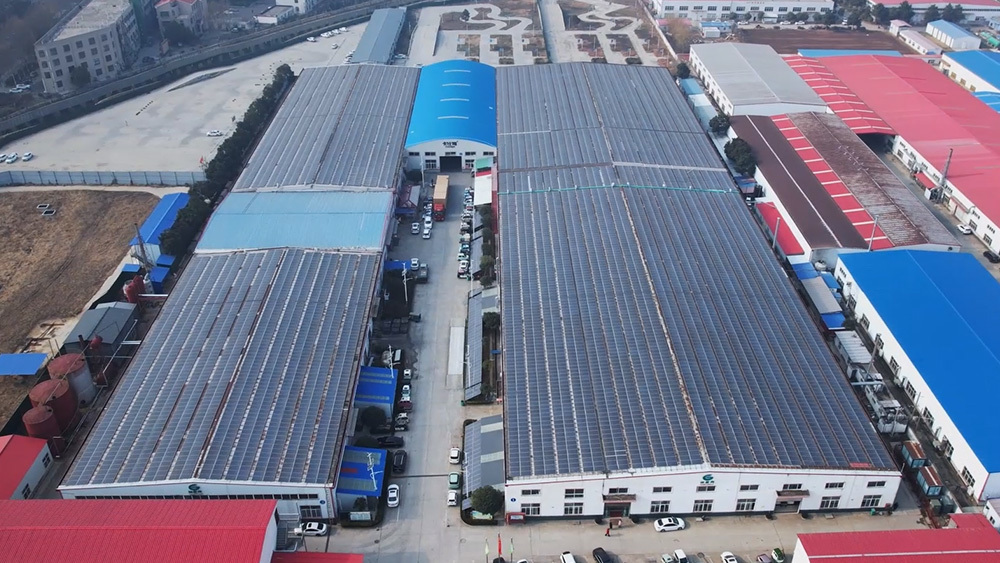
The company specializes in the production and sales of various industrial sprockets, gears, racks, chains, agricultural machinery sprockets: gears (harvesters, corn harvesters). We have a large stock all year round, and can customize various specifications of sprocket gears according to customer needs.